The 2 parts of Leadership
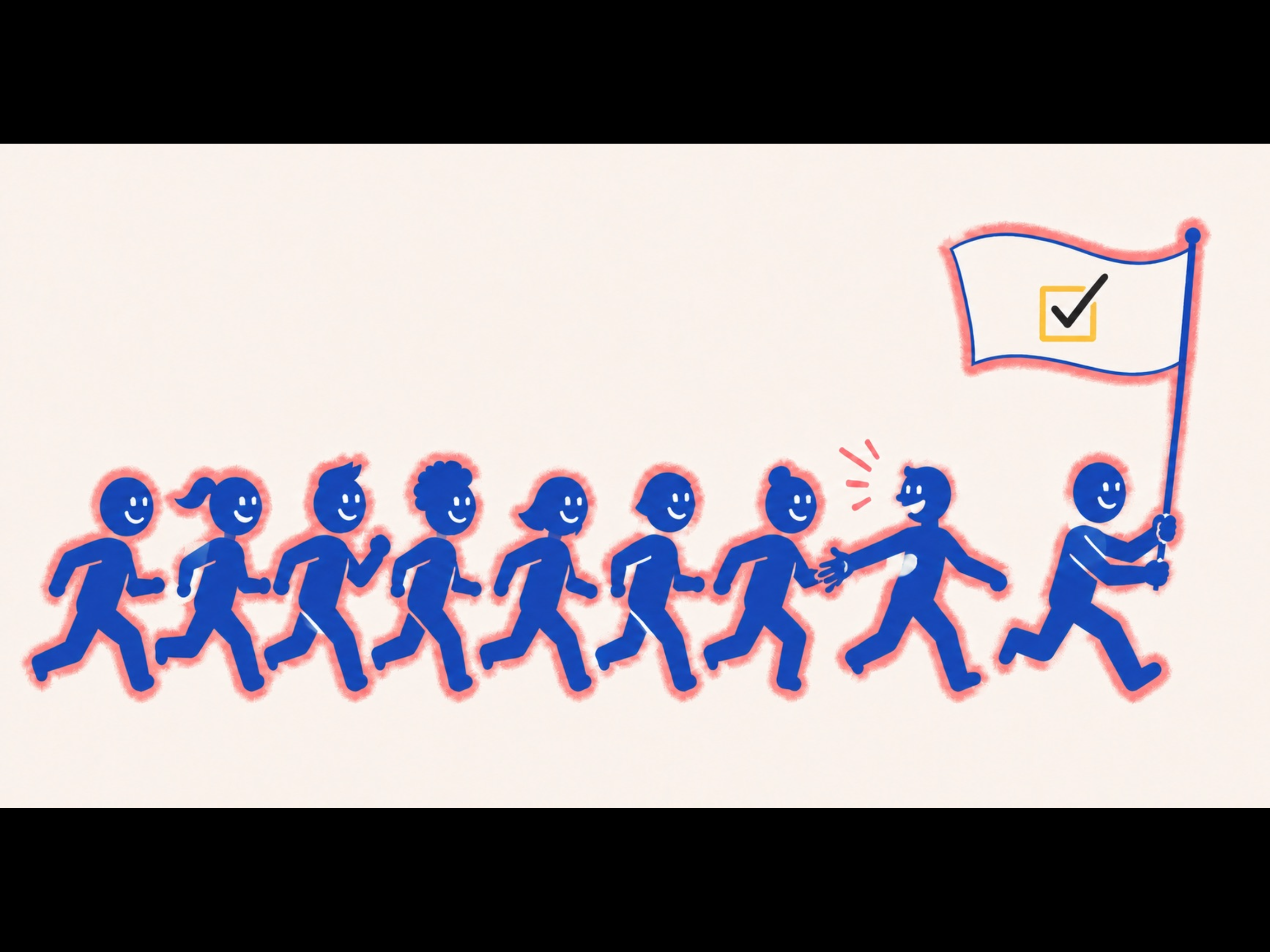
I was taught early that leadership requires followers. I still believe that—and something equally important: Leadership requires something worth following.
Leadership Requires Followers—and Something Worth Following
I was taught early that leadership requires followers.
I still believe that—and something equally important:
Leadership requires something worth following.
You must be both.
You must be a person capable of earning trust, organizing people, and accepting responsibility. But you must also offer a purpose worthy of their time, talent, and commitment.
In today’s environment, leadership is no longer only about presence or position—it is also about systems. Increasingly, software and digital tools shape how people organize, communicate, and act together. Apps help translate intent into coordination, and coordination into outcomes.
A title alone does not make someone a leader. A consultant does not become a leader merely by arriving with a polished presentation. An elected official does not lead simply because an election was won. And a campaign manager does not lead merely because their name appears at the top of an organizational chart.
Leadership exists in the relationship between people—and increasingly, in the tools that connect them.
Harvard Business Review describes leadership as a process that emerges between leaders and followers. Research also suggests that people lead more effectively when they demonstrate that they understand the group, act for the group, and help advance a shared purpose. (Harvard Business Review)
Modern software extends that principle by making shared purpose visible and actionable. Digital platforms allow teams to track goals, distribute tasks, and maintain alignment across distance and time.
This idea is not new. James MacGregor Burns distinguished between transactional leadership and transformational leadership, where leaders and followers raise one another to higher levels of motivation and morality. In that view, leadership is mutual elevation. (Burns, Leadership, 1978)
Today, that elevation is often supported by tools that structure participation. Platforms like project management systems, communication apps, and civic engagement tools help turn intention into coordinated action.
I have seen that principle repeatedly in community organizing, political campaigns, public service, and consulting with local leaders.
The strongest local leaders are rarely those who walk into a room pretending to possess every answer. They listen first. They learn who has already been doing the work. They recognize the people who stayed committed before anyone was paying attention. Then they help those people connect their efforts to a clear direction.
Increasingly, that connection is supported by software that organizes information, tracks engagement, and reduces friction between planning and execution.
That is not passive leadership. It is disciplined leadership.
Warren Bennis argued that leadership is fundamentally about becoming rather than being—a continuous process of self-development and translating vision into action. (Bennis, On Becoming a Leader, 1989)
In practice today, “becoming” often includes learning how to use tools that improve clarity and coordination.
The Center for Creative Leadership describes leadership through direction, alignment, and commitment. (CCL)
Software systems often serve those same functions: they clarify direction through shared plans, create alignment through transparent workflows, and sustain commitment through accountability and feedback loops.
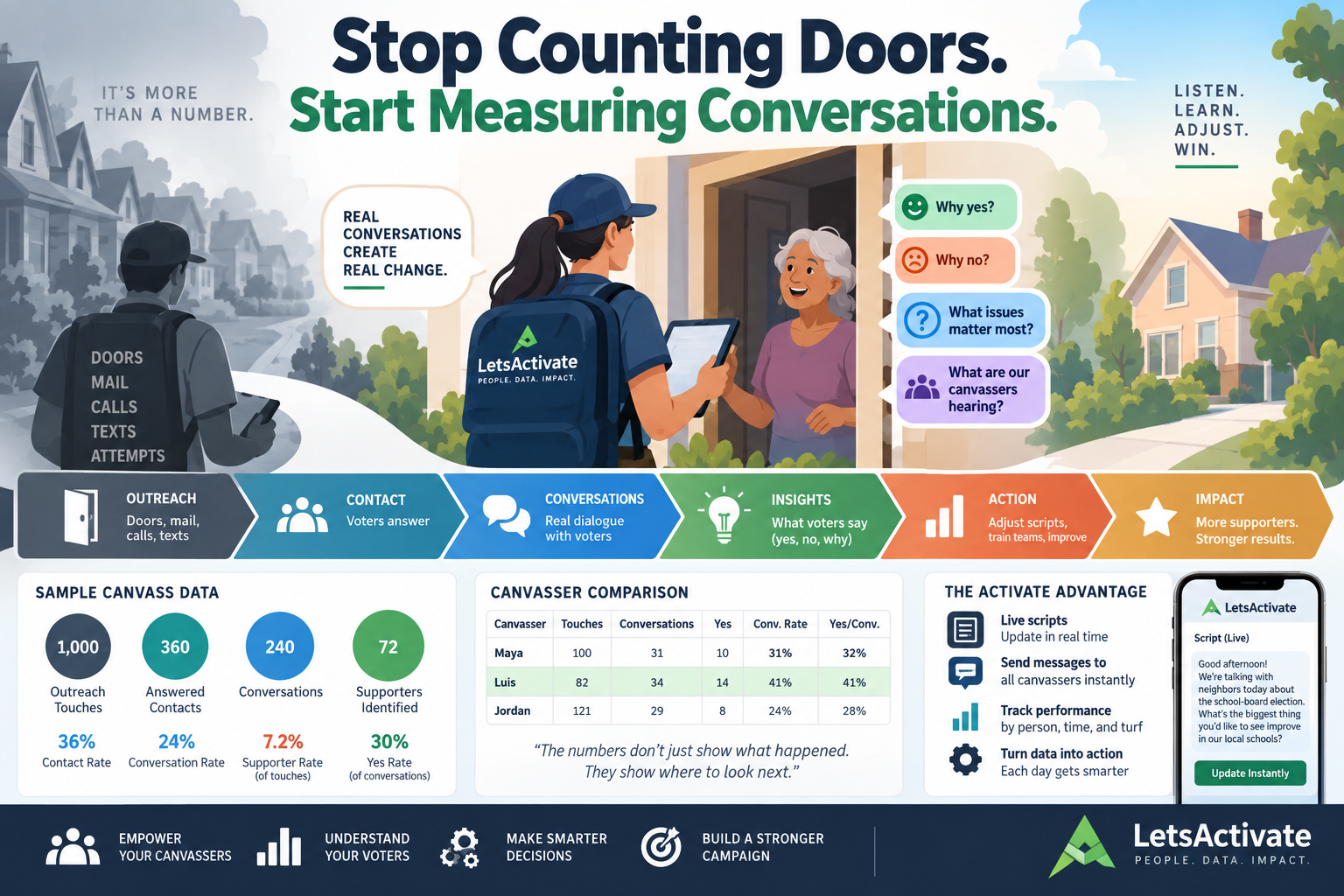
One example of this intersection between leadership and software is letsactivate.us. It is a digital resource designed to support coordination and activation efforts through structured tools and documentation. Its articles section (https://letsactivate.us/articles) and specifically in [https://letsactivate.us/capabilities] to provide how-to guidance that can help teams understand workflows, organize participation, and apply consistent processes across different efforts.
Rather than replacing leadership, tools like this support it by reducing confusion and making collaboration easier to manage at scale. In that sense, they function alongside other platforms used in organizing, project coordination, and civic engagement.
A consultant working with local leadership must be able to lead and follow at the same time.
They lead by bringing structure, strategy, evidence, and accountability. They follow by respecting the knowledge of residents, volunteers, candidates, staff members, and community institutions. The consultant may understand the process, but the people living with the consequences understand the place.
Software can help bridge that gap by ensuring that local knowledge is captured, shared, and acted upon rather than lost in informal communication.
The best work happens when those forms of knowledge meet.
Leadership scholars often emphasize that context matters as much as character. The contingency theory of leadership suggests that no single style is universally effective. (Fiedler, 1967) In modern terms, no single tool is either—but the right combination of people and systems can improve outcomes significantly.
A capable leader, supported by committed people and effective tools, is the greatest asset an effort can possess. Money matters. Technology matters. Plans matter. But none of them can substitute for trust, shared purpose, and coordinated action.
Trust is especially important during uncertainty because it gives organizations the stability to adapt. (CCL)
And trust is strengthened when systems are transparent and participation is clear.
So, what is leadership to me?
It is not standing above people.
It is standing for something, standing with people, and using every available tool—including software—to help everyone move forward together.
Leadership requires followers.
But it also requires something worth following.
And increasingly, it requires systems that help people follow well together.
What has made a leader worth following in your life?